SRFTAC logo

SRFTAC

About SRFTAC

Unifying students, residents, and fellows around the future of trauma care.

The Students, Residents, and Fellows Trauma Advocacy Coalition is a collaborative network of emerging physicians and healthcare professionals committed to improving trauma patient outcomes through education, policy, and coordinated advocacy.

SRFTAC logo

Our Purpose

Unifying emerging trauma professionals.

The Students, Residents, and Fellows Trauma Advocacy Coalition (SRFTAC) is a collaborative network of emerging physicians and healthcare professionals united by a shared commitment to improving outcomes for trauma patients.

Our coalition began with a data-driven mission: analyzing large National Highway Traffic Safety Administration (NHTSA) databases to identify patterns of fatality distribution across the nation. Through this work, we have been able to highlight regions and populations most vulnerable to preventable deaths from hemorrhage and other trauma-related complications.

Building on this foundation, we focus on translating research into actionable advocacy. By serving as consultants, we create evidence-based advocacy materials, provide education, and support policymakers, trauma systems, and prehospital providers in their efforts to expand lifesaving interventions, particularly prehospital blood product transfusion, including low-titer O whole blood.

Mission

The mission of the Students, Residents, and Fellows Trauma Advocacy Coalition is to advance equitable access to lifesaving trauma care through data-driven advocacy, education, and collaboration. We strive to identify opportunities for intervention, promote the implementation of prehospital blood product programs, and support trauma systems nationwide in reducing preventable deaths from injury.

Leadership

The people behind SRFTAC

SRFTAC is shaped by military physicians, medics, trainees, and advocates with deep experience in trauma systems, prehospital care, and blood product access.

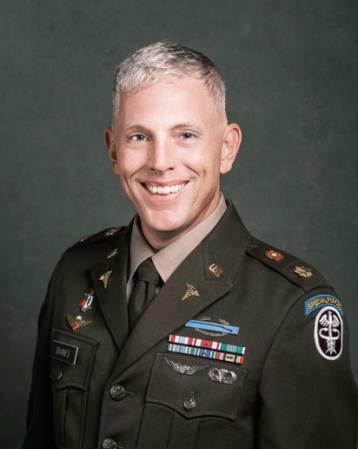
Headshot of Major Evan Baines

Leadership

Major Evan Baines, MD

Major Evan Baines is an Emergency Physician and U.S. Army officer currently training as a fellow in Emergency Medical Services and Disaster Medicine in the joint BAMC/UTHSCSA fellowship in San Antonio.

He began his military career by enlisting shortly after 9/11 and training as a Special Forces Medical Sergeant, a path that led him to medicine and ultimately to the Uniformed Services University of the Health Sciences, where he graduated AOA and GHHS.

After completing Emergency Medicine residency at the Medical College of Georgia, he returned to the Special Forces community as a battalion surgeon and later joined the faculty at BAMC as director of the Emergency Medicine residency’s Military Unique Curriculum.

His experiences as a medic, supervising medics, and deploying to Iraq and Northwest Africa shaped his deep interest in prehospital medicine and his appreciation for the lifesaving potential of prehospital blood products.
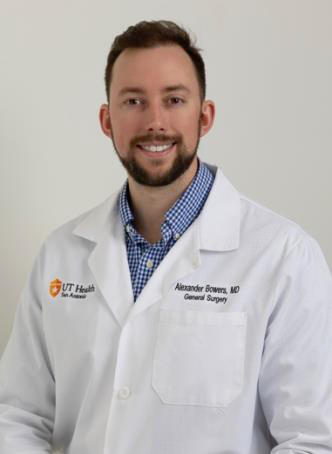
Headshot of Captain Alexander Bowers

Leadership

Captain Alexander Bowers, MD

Captain Alexander Bowers is an active-duty Air Force General Surgery resident at The University of Texas Health Science Center in San Antonio, Texas.

He completed medical school at The University of Tennessee in Memphis, but his path in medicine began earlier as an enlisted Air Evacuation Medic in the United States Air Force, where he cared for wounded warriors moving from the Role 3 facility through transport home from Landstuhl Regional Medical Center in Germany.

Those experiences gave him a deep appreciation for the complexity of the combat casualty care continuum and sparked his passion for trauma. He plans to pursue a career in trauma, critical care, and global surgery.

He believes SRFTAC can advance equitable, effective changes that strengthen the trauma care continuum and improve outcomes for vulnerable patients nationwide.

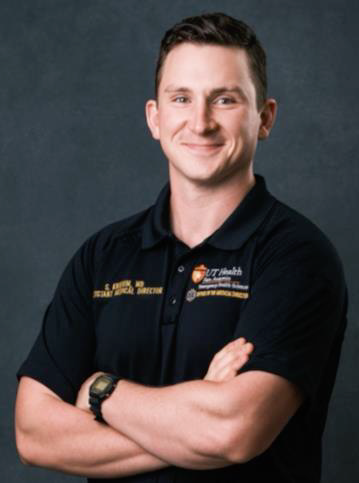
Headshot of Captain Spencer Knierim

Leadership

Captain Spencer Knierim, MD

Captain Spencer Knierim is an Army Emergency Medicine physician who recently completed residency at Brooke Army Medical Center.

Before attending medical school at the University of Colorado, he worked in EMS at Denver Health, where he gained extensive hands-on experience in prehospital trauma care.

He has remained actively involved in prehospital trauma research, contributing to multiple TQIP studies, and is committed to improving trauma outcomes through data-driven approaches.

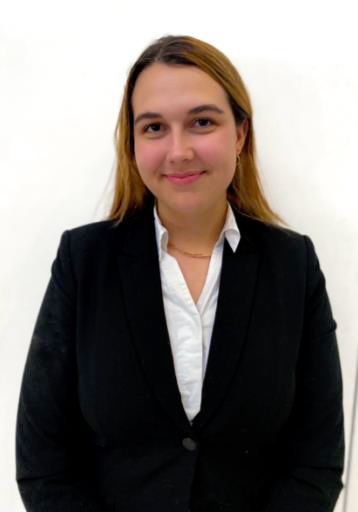
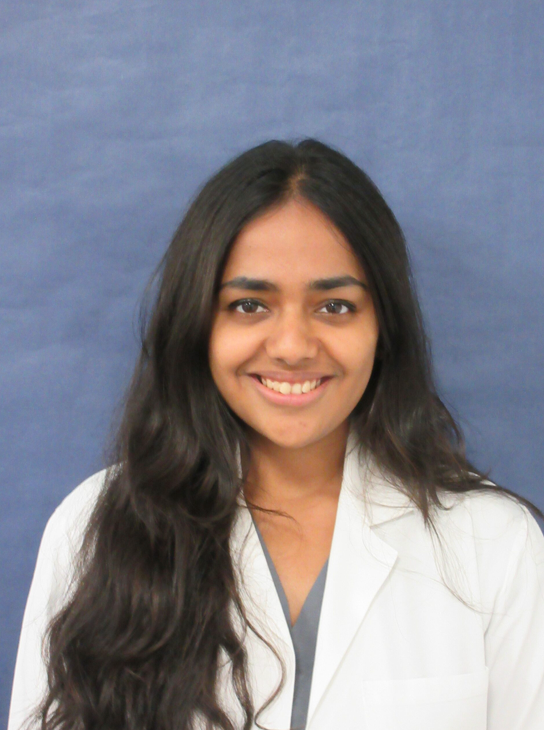
Headshot of Hannah Borland

Leadership

Hannah Borland

Hannah Borland was born into a military family and raised in San Antonio, where her interest in medicine began during a visit to the BAMC emergency department.

She later shadowed trauma surgeons at BAMC and was drawn to the collaboration, efficiency, and high-stakes environment of trauma care. She earned a degree in Psychology from Texas A&M in 2021.

During her gap year, she worked in a Dallas cardiothoracic operating room, confirming her ability to remain calm and effective during critical emergencies.

Now a medical student back in San Antonio, she was drawn to the South Texas whole blood program because its innovative approach to prehospital trauma care aligned with the experiences that first inspired her path into medicine.

Headshot of Jamison Geracci

Leadership

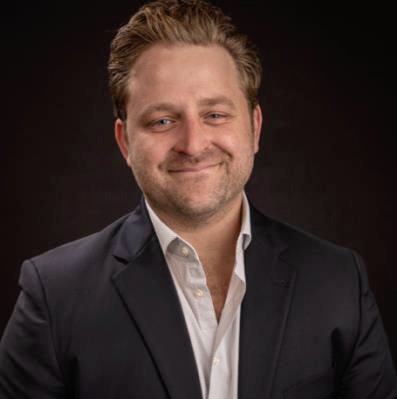
Jamison Geracci

Jamison Geracci is a former Army Infantry officer, rancher, wildland fire and search-and-rescue medic, and current medical school applicant.

He grew up around trauma care while his father served as an Army doctor, and that early exposure was reinforced during his own service as an Infantryman.

Prehospital whole blood programs helped keep his Soldiers alive and ultimately became a driving passion in his advocacy work.

He and his wife have also witnessed the consequences of poor access to lifesaving care in rural America, making expanded access to this level of trauma care a deeply personal mission.

Headshot of Cory Lacek

Leadership

Cory Lacek

Cory Lacek is a former Navy SEAL and Special Operations Combat Medic with eight years of experience delivering trauma care in austere and high-risk environments.

During his time in the SEAL Teams, he saw firsthand the impact that early access to whole blood could have on critically injured patients and helped develop protocols while training teammates to deliver transfusions in the field.

His experience also showed how logistics, training, and systems of care come together to determine outcomes.

His current focus is on strengthening prehospital trauma systems and expanding access to blood products for communities across the United States.

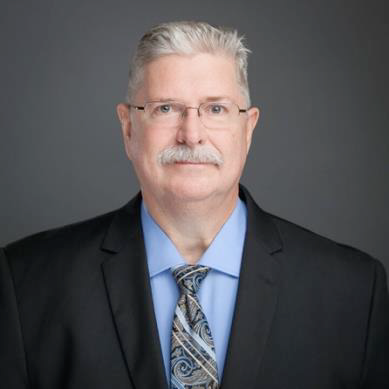
Headshot of Donald Jenkins

Faculty Mentor

Retired Colonel Donald Jenkins, MD

Dr. Donald Jenkins earned a BS in Biochemistry from the University of Scranton and his MD from the Uniformed Services University. He completed his surgical residency at Wilford Hall USAF Hospital in San Antonio and a trauma fellowship at the University of Pennsylvania before retiring from the U.S. Air Force in 2008 after nearly 25 years of active duty.

His leadership includes service as Trauma Medical Director at Saint Mary’s Hospital at Mayo Clinic, Trauma Director for the ACS Level I trauma center for the United States Air Force, and Trauma Director for the 44th Medical Command for all medical care in Iraq. He helped develop both the Joint Theater Trauma System and the Joint Trauma System and later served as Joint Trauma System Medical Director at Fort Sam Houston.

Dr. Jenkins has studied resuscitation strategies extensively and was instrumental in developing and validating major protocols related to timing and ratio of blood products in massive transfusion, including early field guidance for prehospital plasma use in combat and civilian settings.

He has also served on the steering committee of the Trauma Hemostasis and Oxygenation Research Network, led national trauma research and funding efforts through the National Trauma Institute, contributed to Tactical Combat Casualty Care and Defense Health Board leadership, and participated in the Hartford Consensus III and the Coalition for National Trauma Research.

He is currently Professor of Surgery, Vice Chair for Quality, and Associate Deputy Director of the Military Health Institute at The University of Texas Health Science Center in San Antonio.

Get Involved

Bring your advocacy ideas to SRFTAC.

If you have a policy priority, educational resource need, or advocacy concept that could help trauma patients and trainees, we want to hear from you.